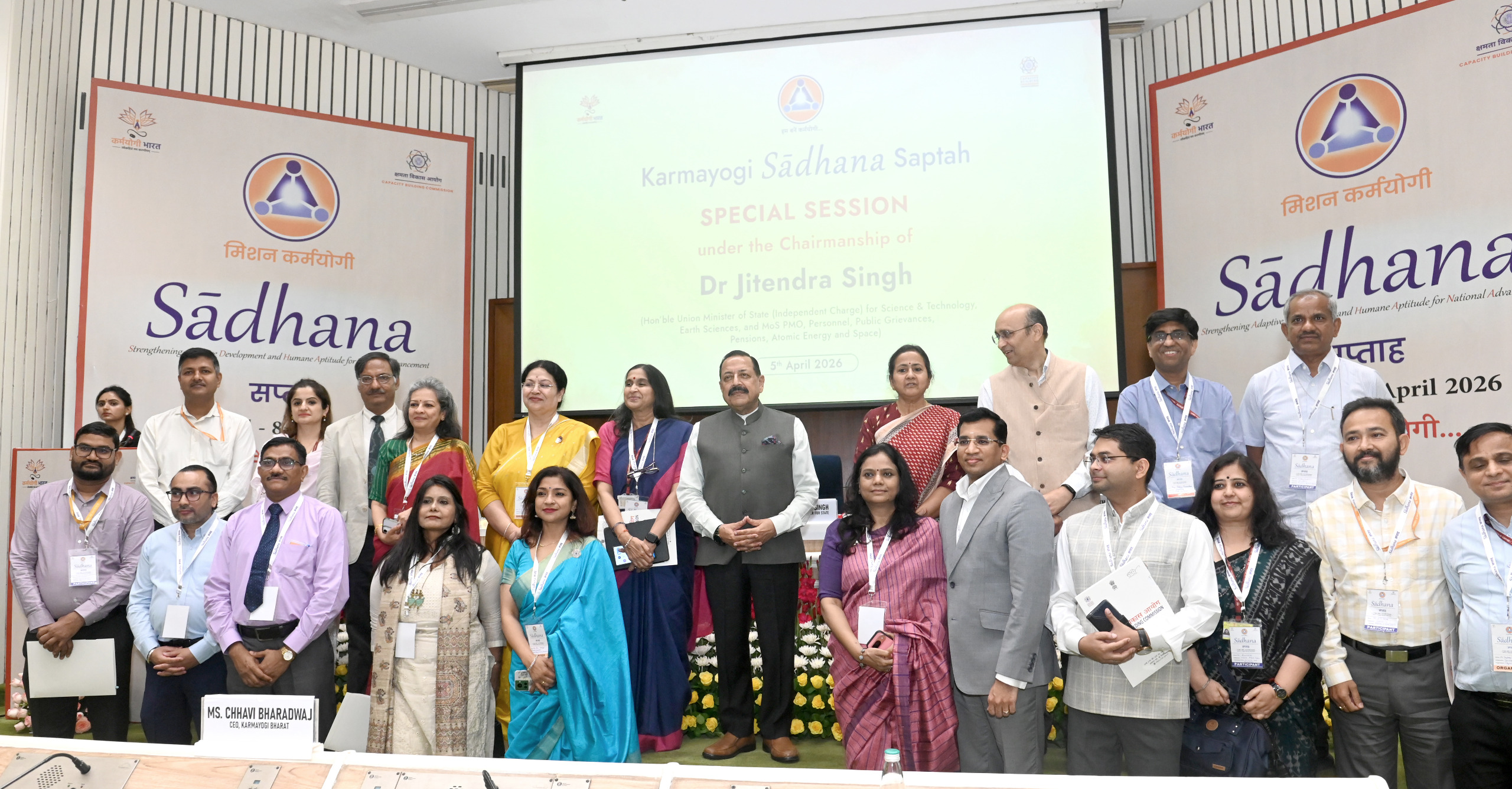
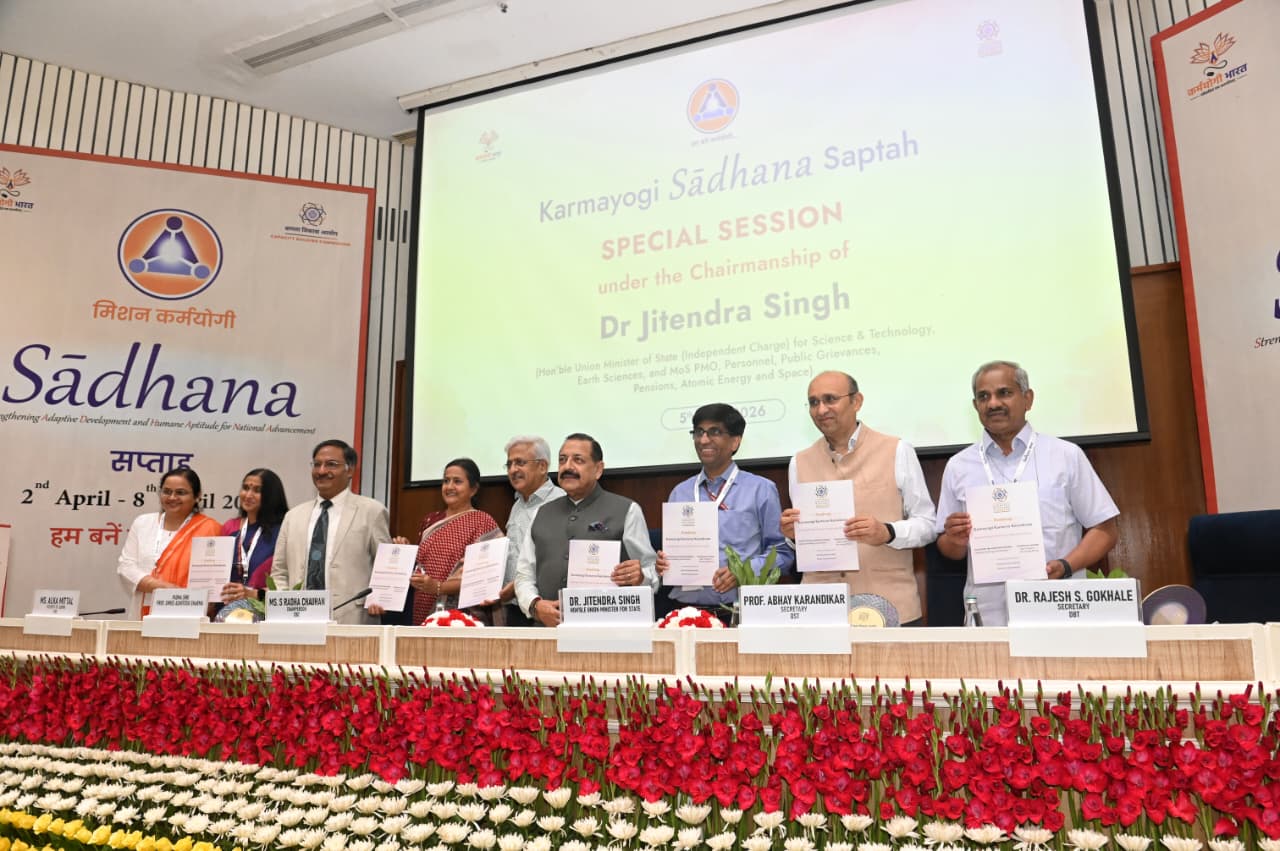
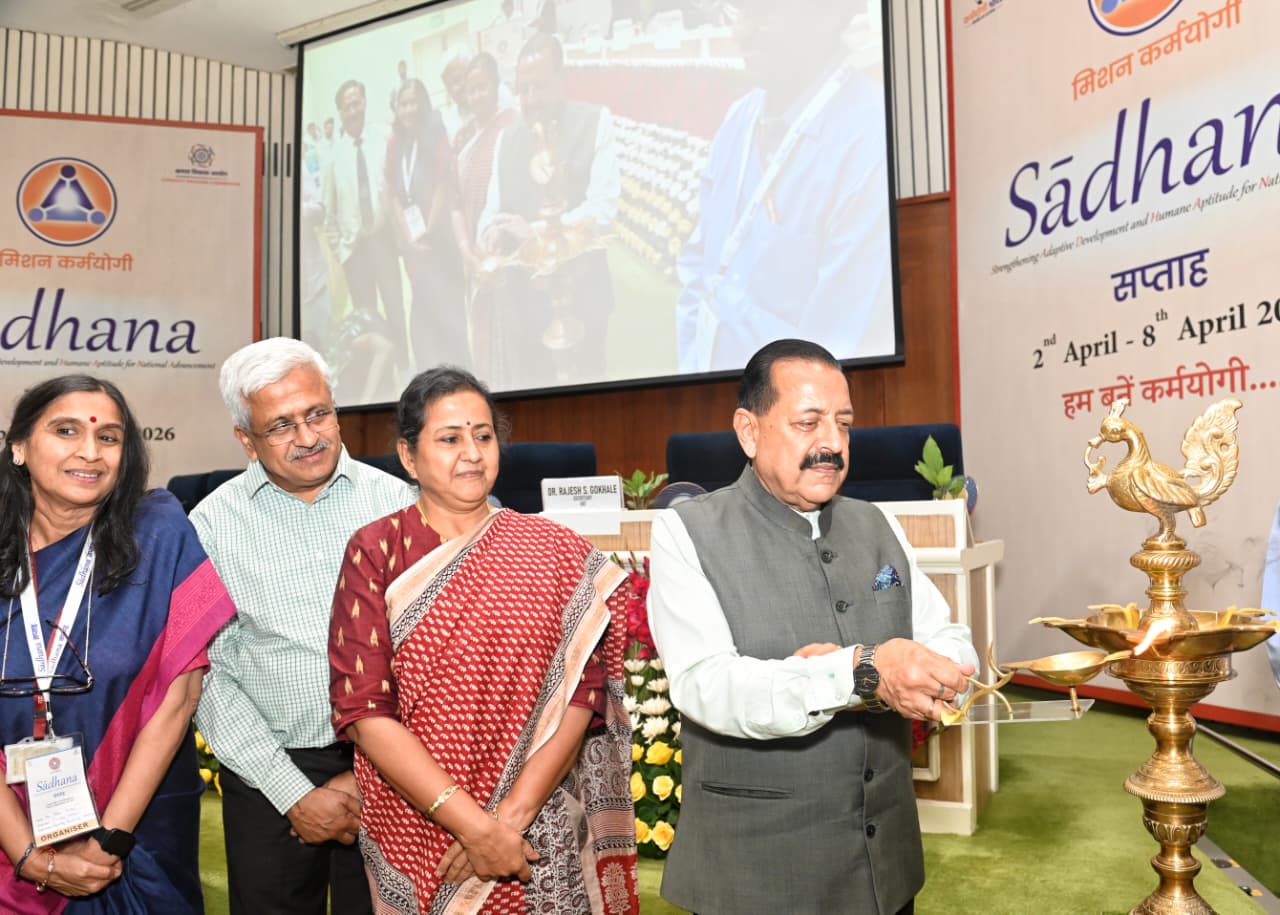
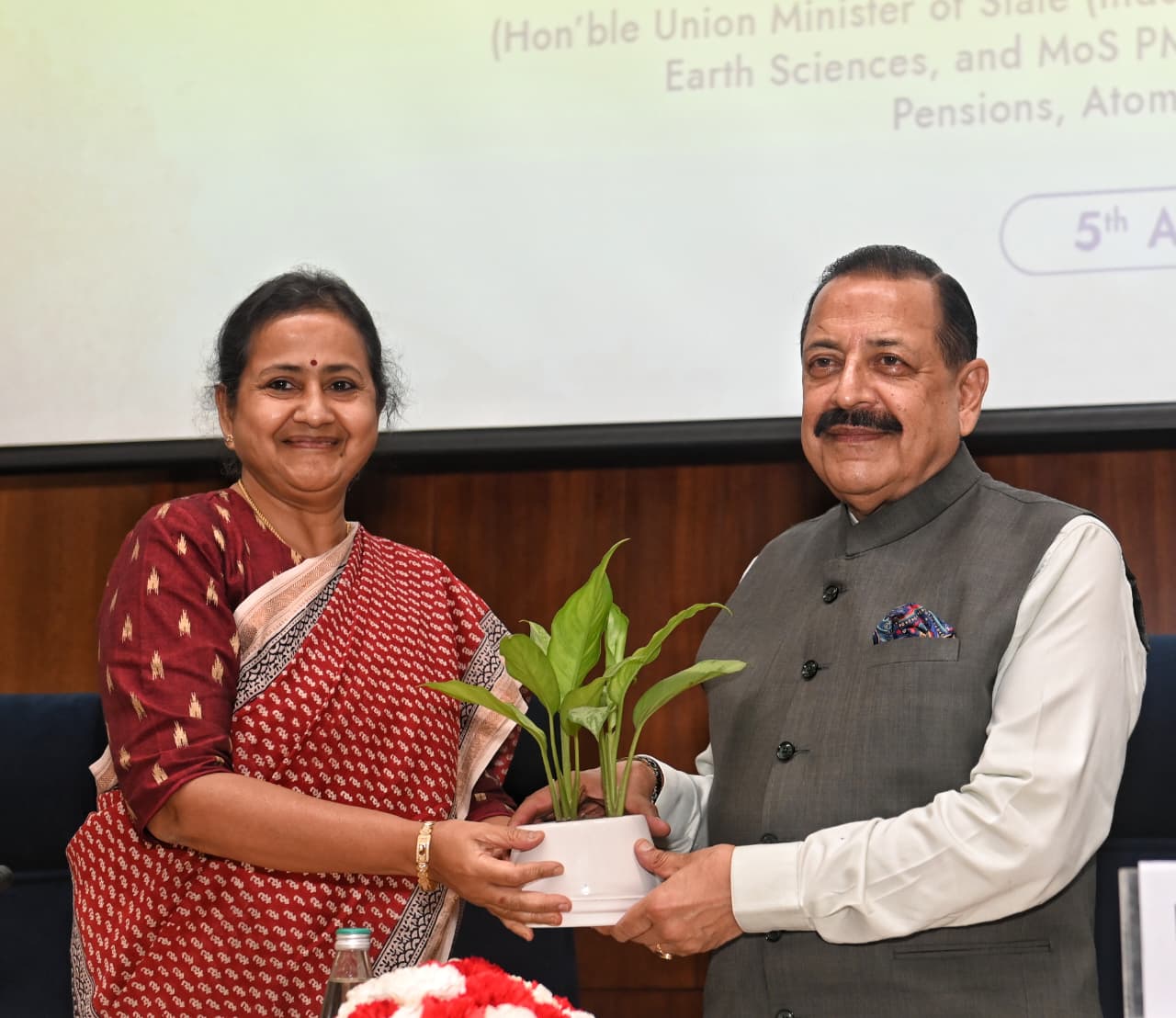
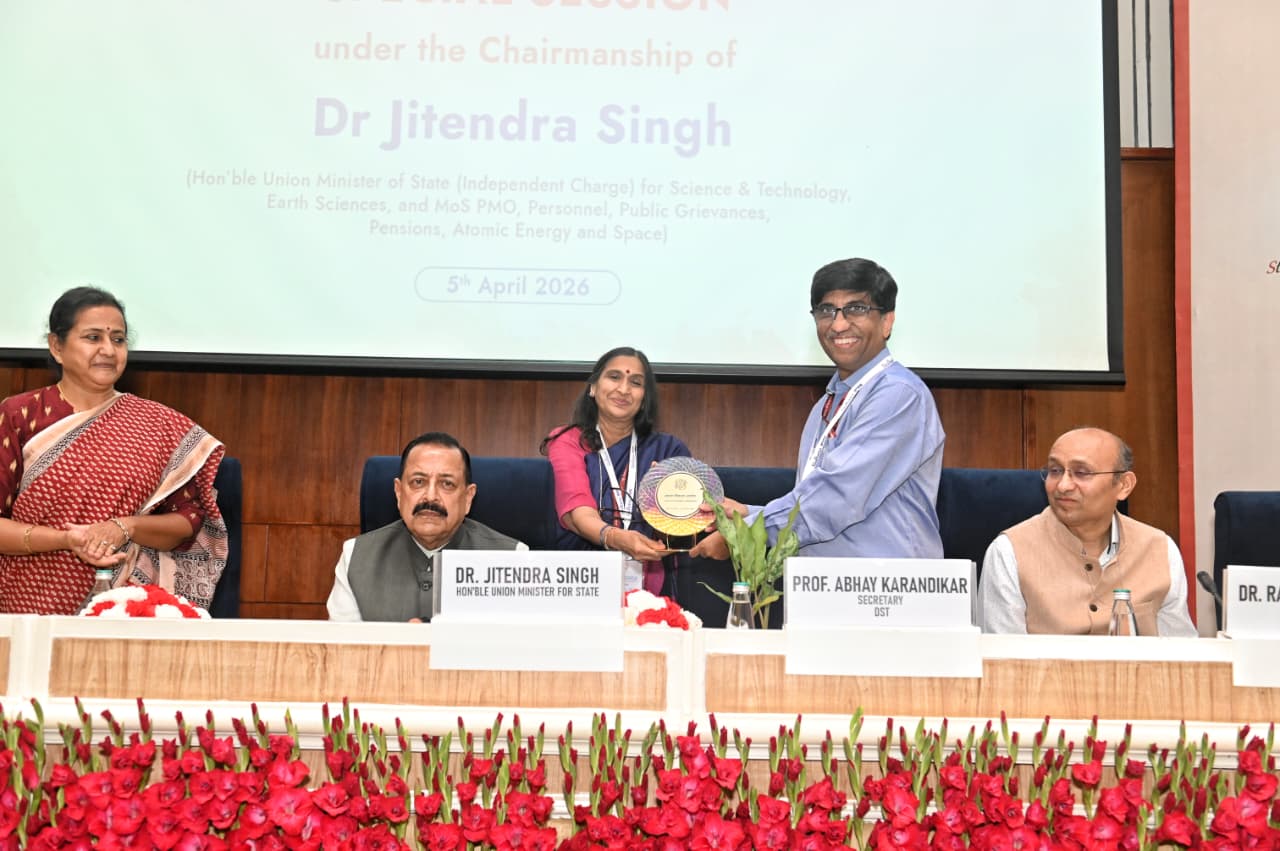
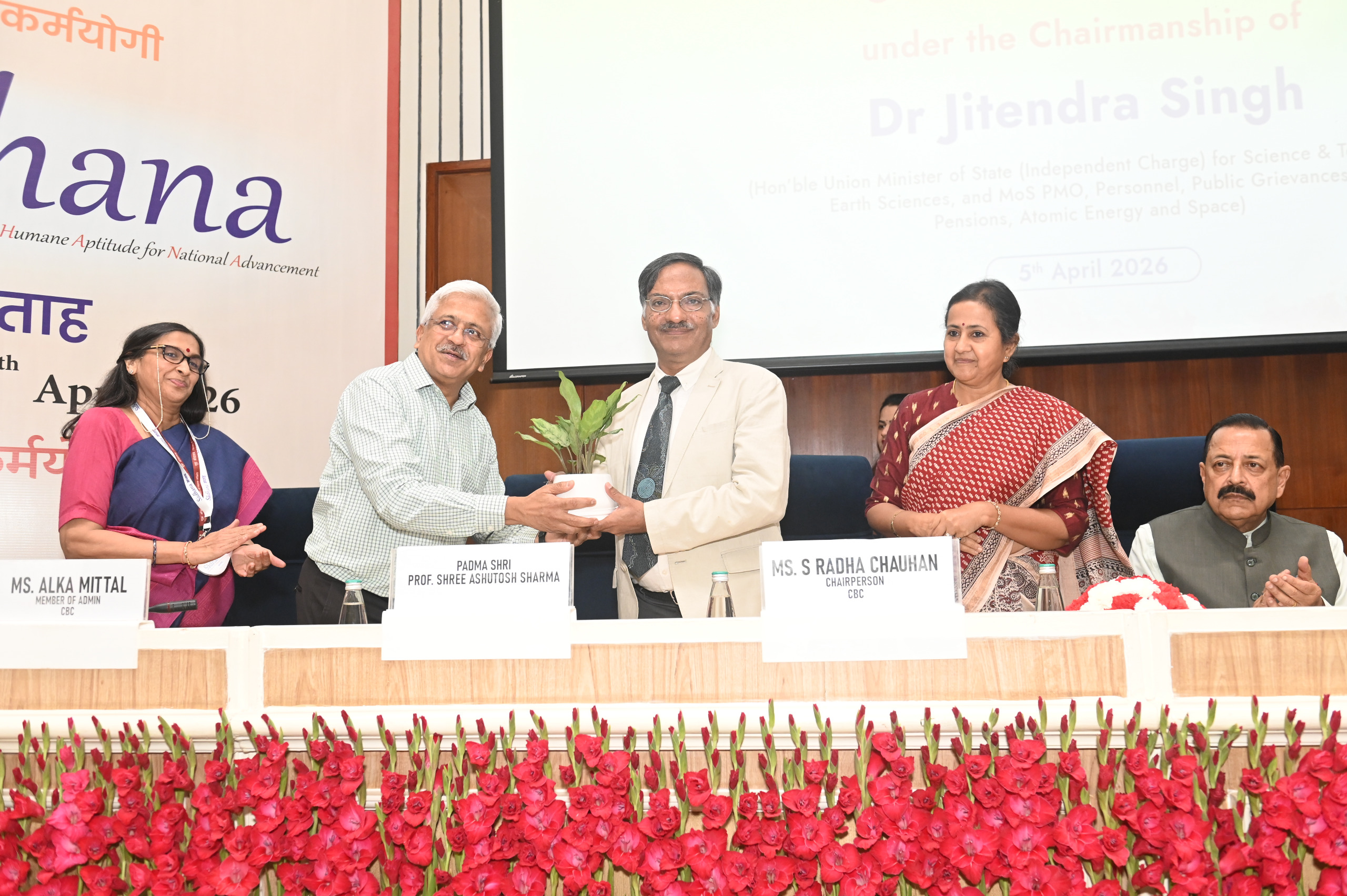
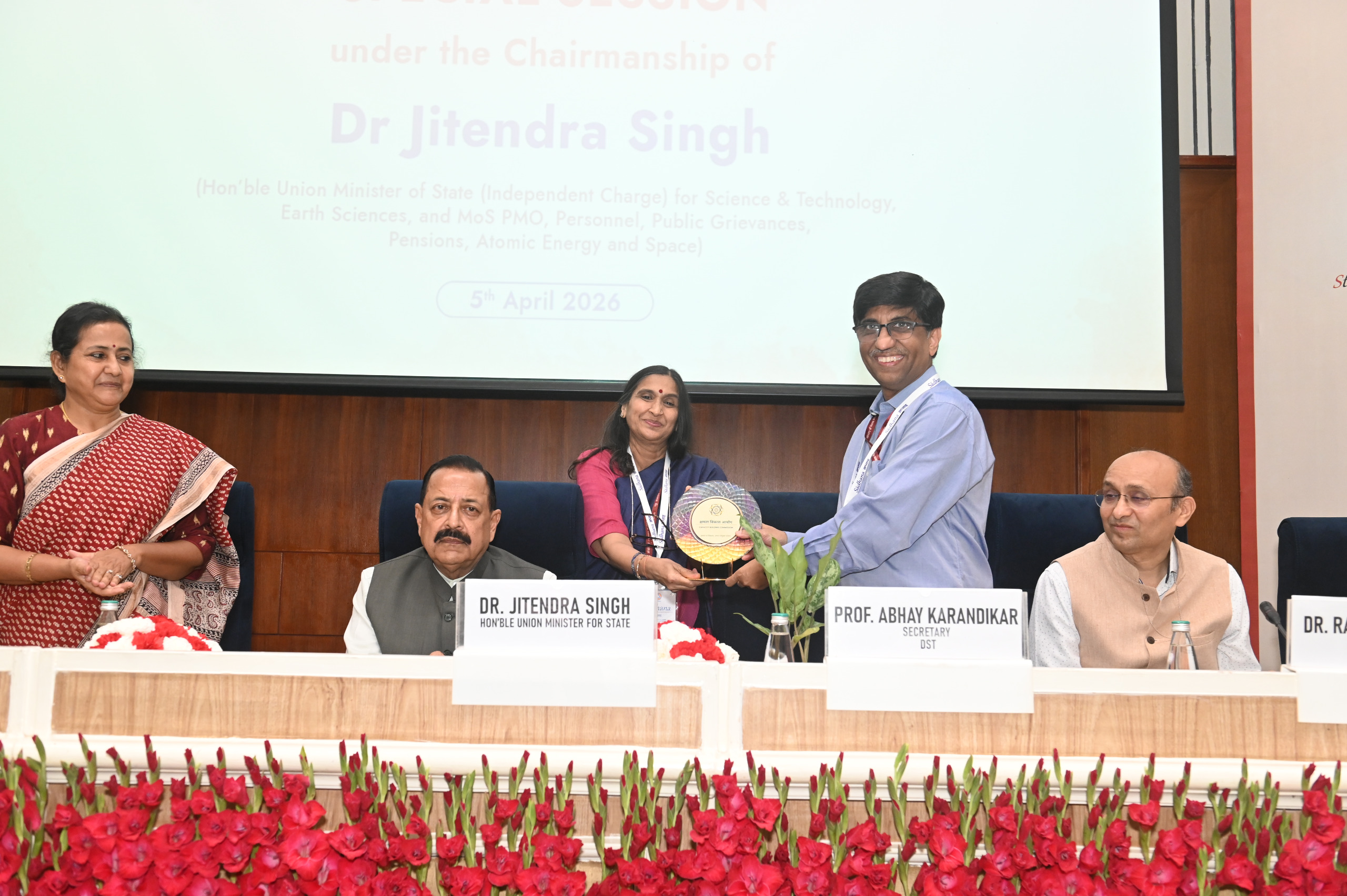
Union Minister of State (Independent Charge) for Science and Technology; Earth Sciences and Minister of State for PMO, Department of Atomic Energy, Department of Space, Personnel, Public Grievances and Pensions, Dr. Jitendra Singh, today launched the first-ever a dedicated programme on “Administrative Capacity Building for Scientists and Academicians”, marking a step towards equipping academia leader with governance skills and decision-making capabilities under the Mission Karmayogi framework.
Announcing the initiative at a Special Session of "SADHANA Saptah", Dr. Jitendra Singh said the absence of structured administrative training for scientists and academicians had long been a gap, particularly as many transition into leadership roles. He noted that professionals from scientific and academic backgrounds are often required to take on institutional responsibilities without prior exposure to administrative processes, and said the new programme is intended to address this systematically.
Describing the initiative as evolving from discussions with scientific leadership, Dr. Jitendra Singh said such institutionalised learning would reduce reliance on “self-learning” that can be time-consuming and uneven. He added that the programme would need to remain dynamic and adapt to emerging technologies, including artificial intelligence, while retaining a balance between technological tools and human judgement.
The Minister also outlined new directions for the Capacity Building Commission (CBC), including the development of structured modules for specific administrative functions. Among these, he suggested creating a focused course on answering Parliamentary Questions to strengthen procedural understanding among officials. He further indicated that similar short-format Orientation modules could be designed for early-career civil servants and Assistant Secretaries to familiarise them with governance systems without adding excessive training burden.
Dr. Jitendra Singh emphasised that capacity building must move beyond rule-based functioning towards a role-based approach, enabling officials to adapt quickly across domains. He said the integration of private-sector practices into governance, alongside traditional administrative frameworks, was necessary as “the age of silos is over”.
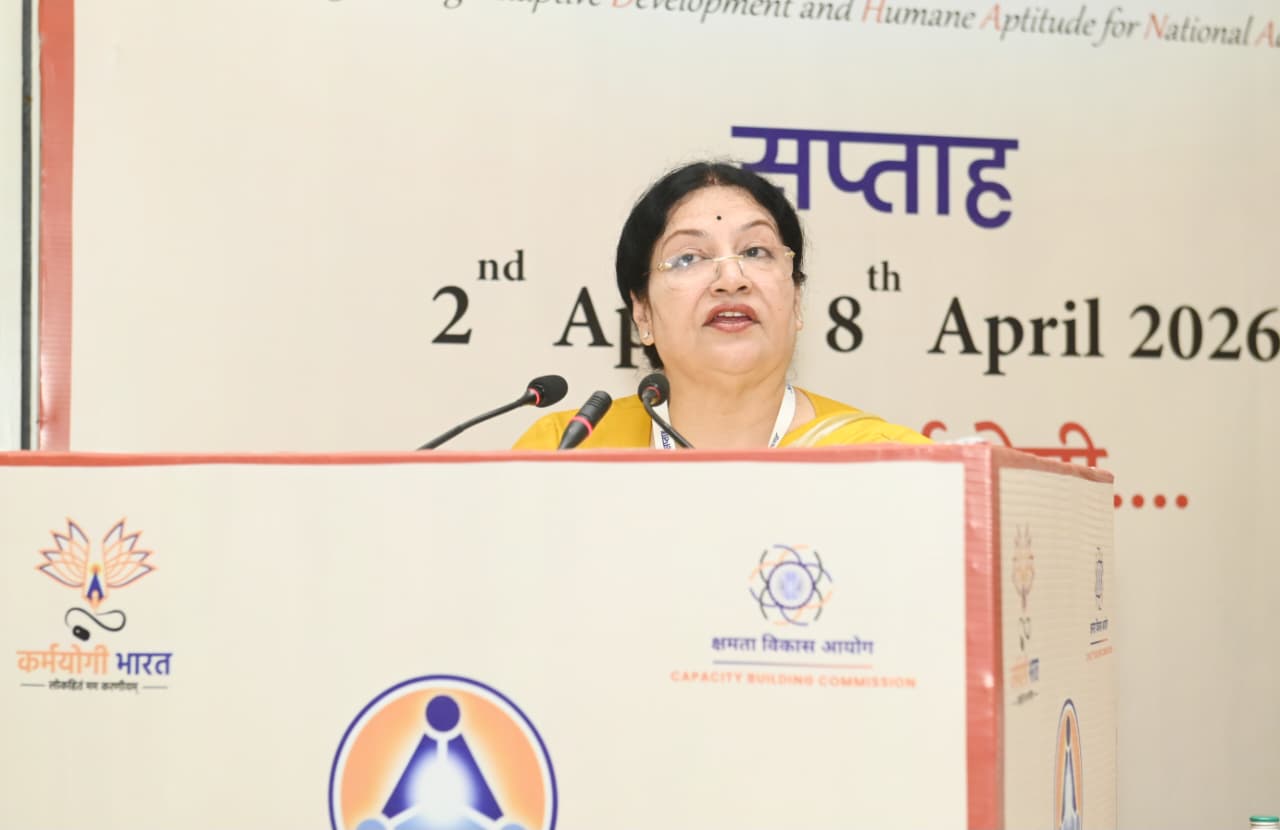
Echoing this approach, S. Radha Chauhan, Chairperson of the Capacity Building Commission, said the next phase of Mission Karmayogi would hinge on making public institutions both “adaptive” and “humane”, particularly in the context of rapid technological change. She emphasised that with the growing role of artificial intelligence, adaptability in governance is no longer optional, while a humane, citizen-centric approach remains central to public service delivery. The Chairperson also highlighted the need to move beyond a focus on scale alone towards improving the quality and reach of capacity-building efforts, including democratising access to training across different levels of government personnel and strengthening institutional collaboration through platforms such as UNNATI.
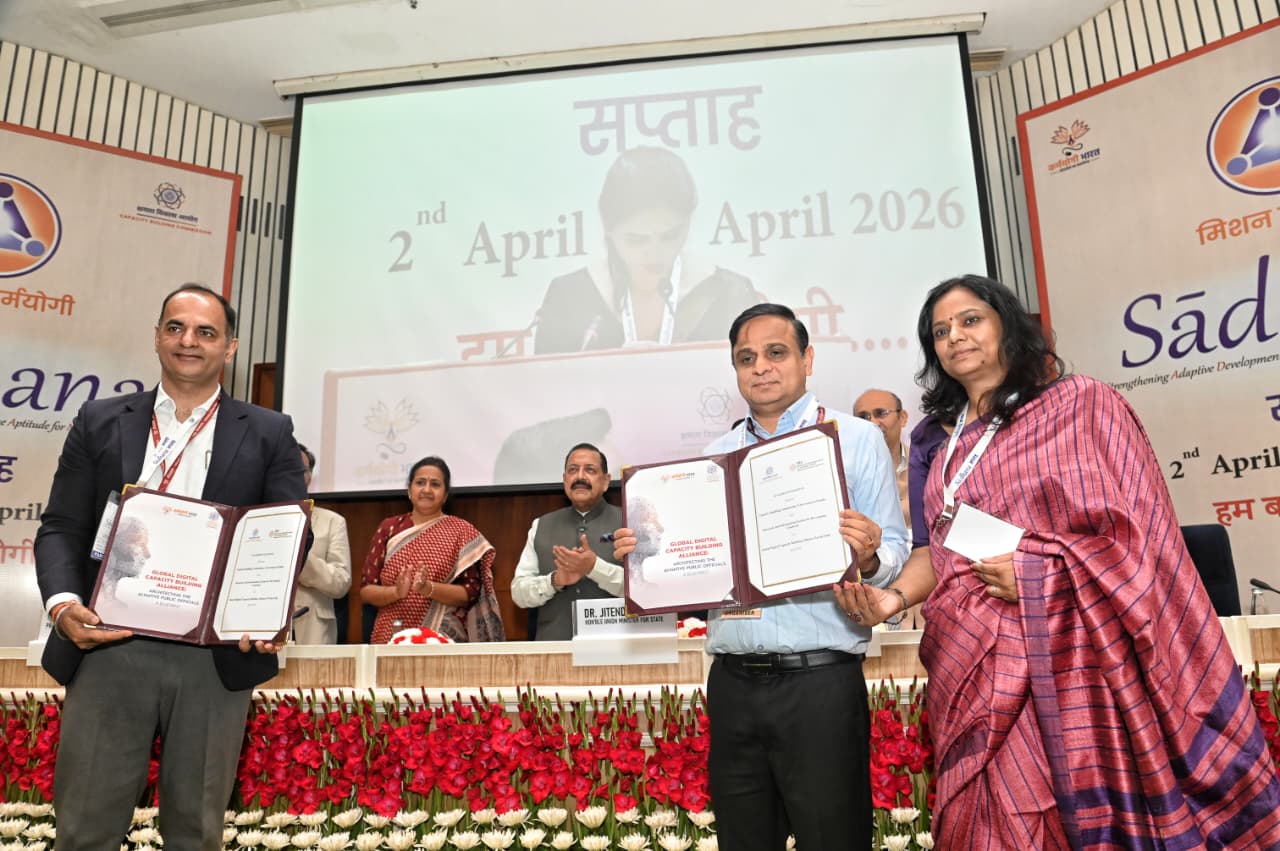
At the event, the Minister also launched a set of complementary initiatives, including the revamped UNNATI portal aimed at strengthening institutional capacity-building ecosystems and a roadmap for the national rollout of the Karmayogi Kartavya Karyakram. He also oversaw the signing of a memorandum of understanding between the Capacity Building Commission and the Research and Information System for Developing Countries (RIS), aimed at fostering global knowledge partnerships in capacity building. The collaboration will enable structured engagement through policy dialogues, practitioner exchanges and thematic learning initiatives, with a focus on areas such as artificial intelligence in governance, digital transformation, and public sector innovation, positioning capacity building as a global public good.
The session, held at Vigyan Bhawan, was attended by Padma Shri Prof. Ashutosh Sharma; Prof. Abhay Karandikar, Secretary, Department of Science and Technology; Dr. Rajesh S. Gokhale, Secretary, Department of Biotechnology; Dr. M. Ravichandran, Secretary, Ministry of Earth Sciences and Alka Mittal, Member (Administration), Capacity Building Commission.
Positioning the reforms within the five-year trajectory of Mission Karmayogi, Dr. Jitendra Singh said the focus is on creating a “future-ready” civil service anchored in continuous learning, technology adoption and citizen-centric governance. He reiterated that capacity building must translate into measurable improvements in governance outcomes, particularly in service delivery and institutional performance, reflecting a shift from training inputs to tangible administrative impact.